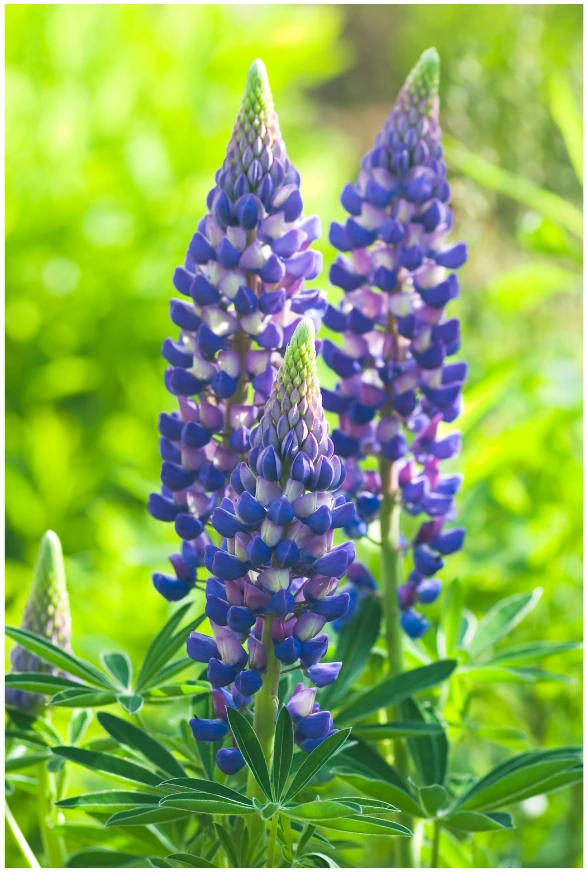
Flower profile
Perennial Lupine
Lupinus perennis
A native perennial with palmate leaves and upright blue flower spikes.
Choose another flower from the list to compare it.

Dormant and winter seeding
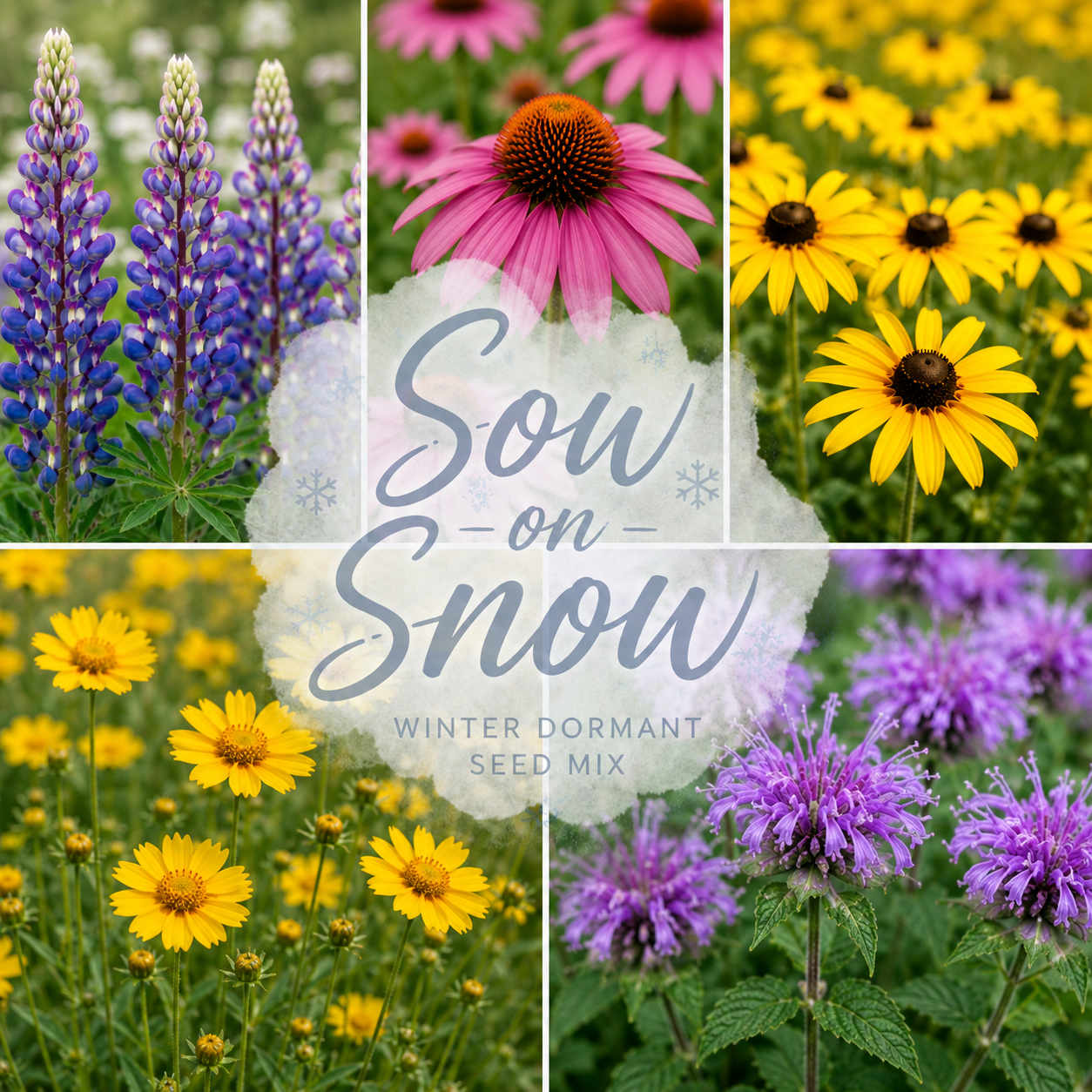
Five native wildflowers for spring, fall, or dormant sowing on frozen bare ground or no more than a few inches of fresh snow.
Five native wildflowers for spring, fall, or dormant sowing on frozen bare ground or no more than a few inches of fresh snow. Despite its name, Sow on Snow™ does not require snow. Plant it on prepared soil in spring or fall, on frozen snowless ground, or over a thin layer of fresh snow. Freeze-thaw cycles and snowmelt can help settle seed while winter cold provides natural stratification for many native species.
Buy directly from Paper Street
Free U.S. shipping at $35+. Eligible lightweight orders under $35 can ship by Economy tracked mail for $2.95; other sub-$35 orders ship for $5.95. Use code BUMBLEBEES for 10% off one eligible unit from each different product family on eligible $50+ orders.
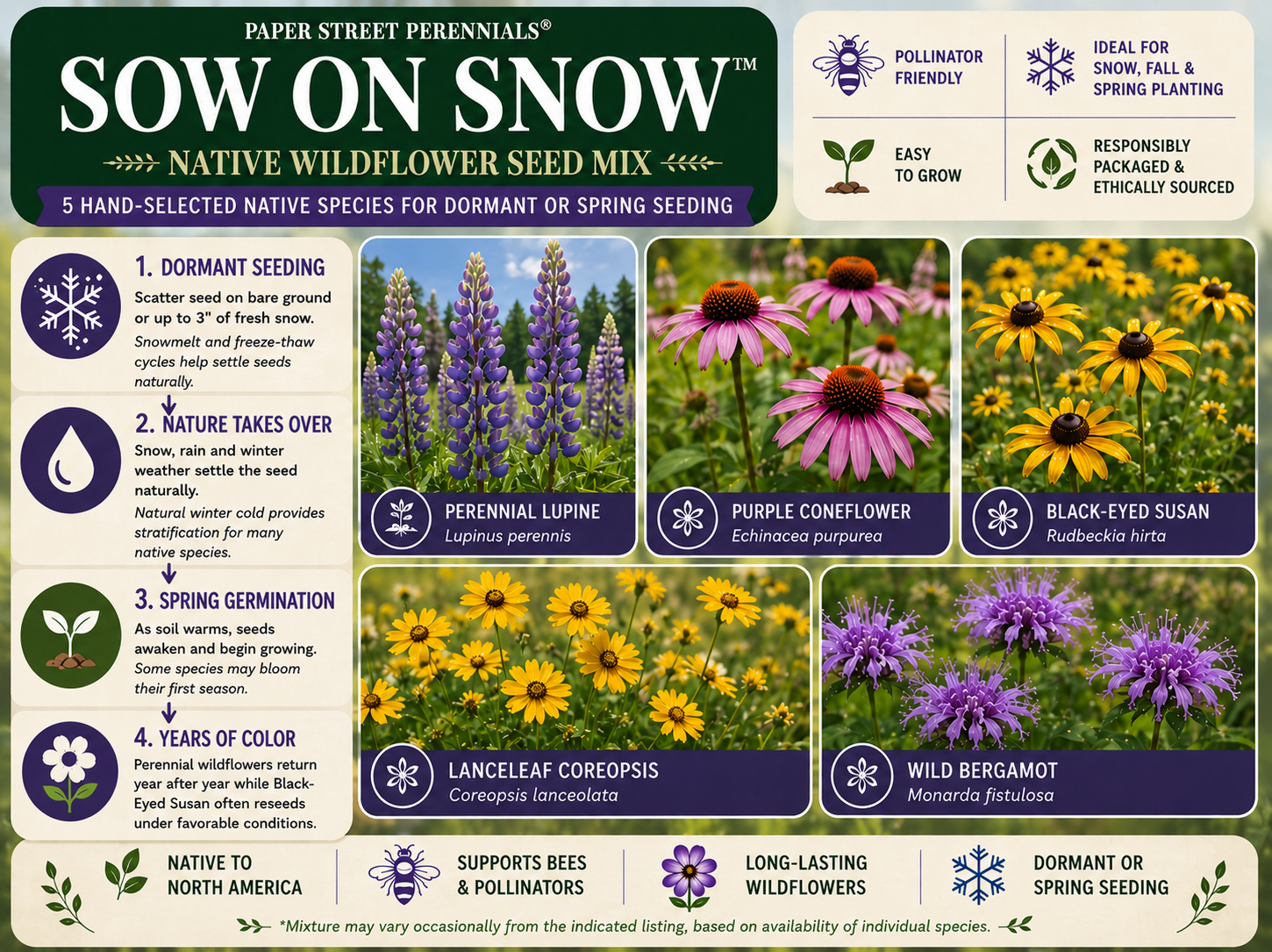
What’s in the mix
Flower profile
Lupinus perennis
A native perennial with palmate leaves and upright blue flower spikes.
Choose another flower from the list to compare it.
What to Expect
Prepared-soil planting generally gives seed the best contact and establishment. Frozen or snowy sowing is convenient and can provide natural cold exposure, but a smaller share of seed may establish, so more seed may be needed for the same area. Some perennial species may not bloom until a later season.
How to Plant
For spring or fall planting, broadcast onto prepared soil, press firmly, and keep moist through germination. For dormant sowing, scatter over frozen bare ground or no more than about three inches of fresh snow. Do not bury or water dormant seed, and avoid deep snow, steep slopes, and places where meltwater can carry seed away.
Read the complete planting guide →Plant with confidence