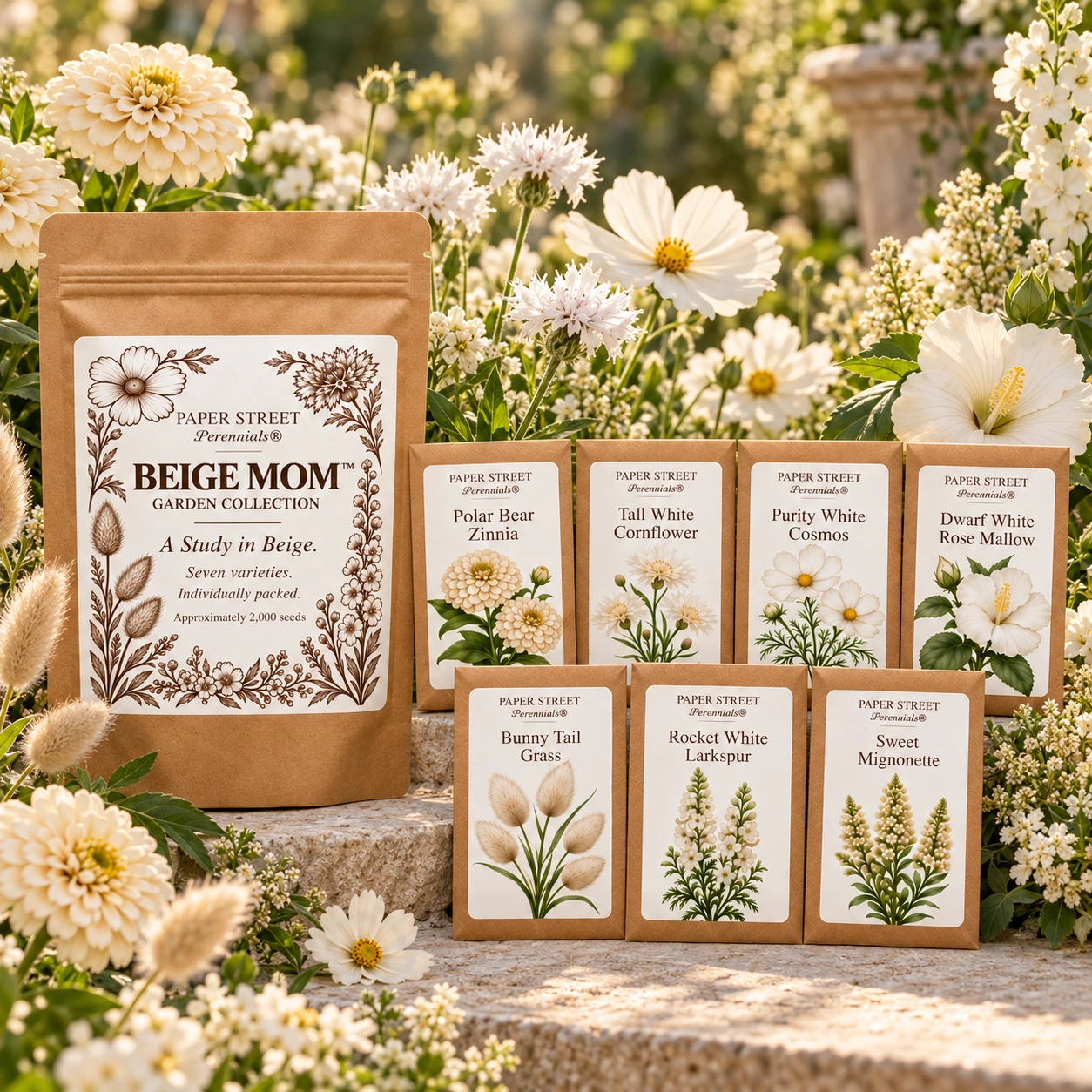
7-Packet Seed Collection
Beige Mom™ Garden Collection
Your home has a palette. Now your garden does, too.
$39.95
Explore the collection → Shop Seeds
Wildflower seeds, clearly explained
Regional wildflowers, native favorites, and pollinator-focused collections—paired with practical guidance that makes choosing and planting easier.
Choose a mix
Every mix shown here is available to buy directly from Paper Street. Explore the details, choose a size, and add it to your cart.
A garden with a point of view
Pick your atmosphere. Plant each variety in its own place. Our seed kits bring a whole garden idea together in one giftable collection.
Explore all kits & collections →7-Packet Seed Collection
Your home has a palette. Now your garden does, too.
$39.95
Explore the collection →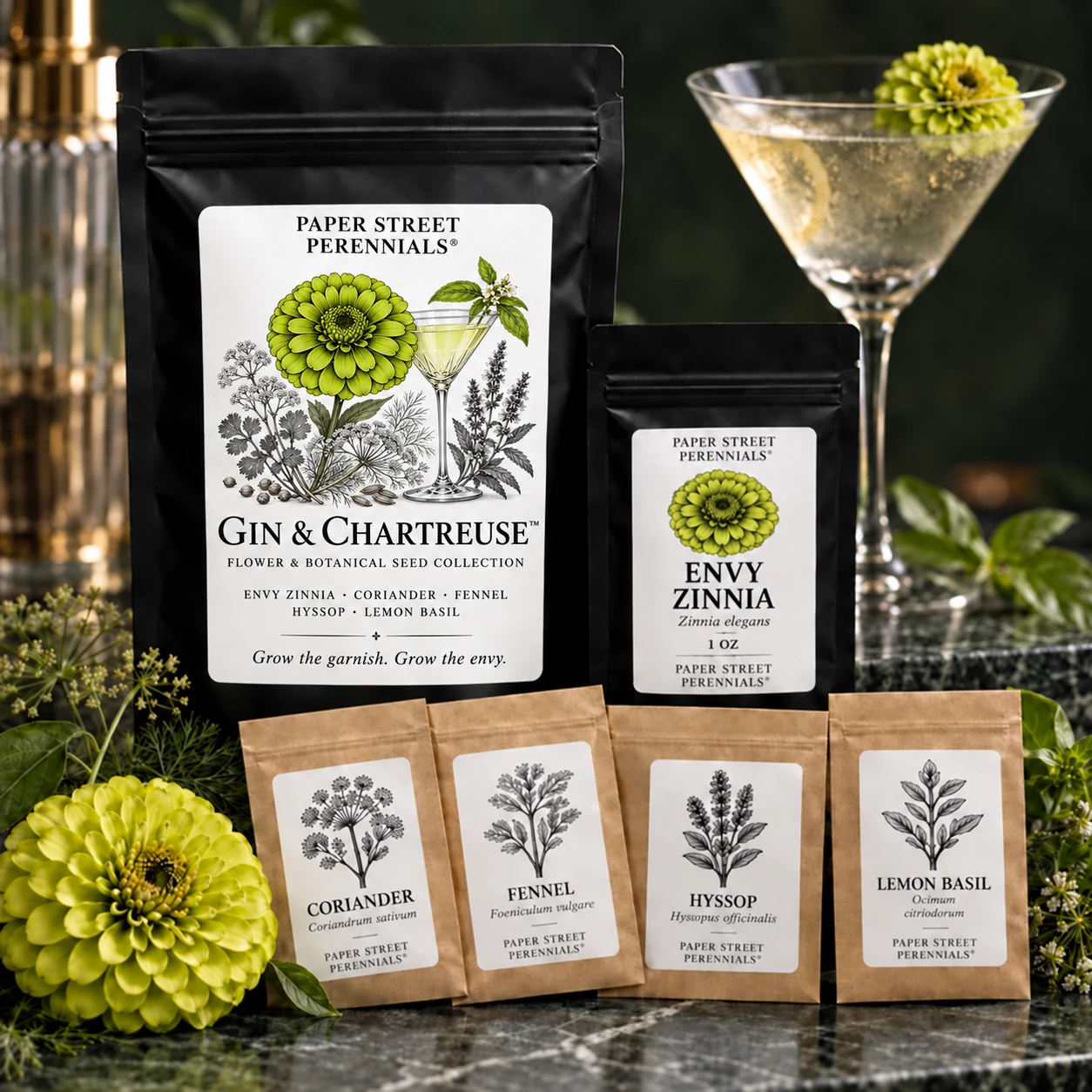
5-Packet Seed Collection
Green flowers. Cut-glass evenings. A garden with excellent taste.
$25.95
Explore the collection →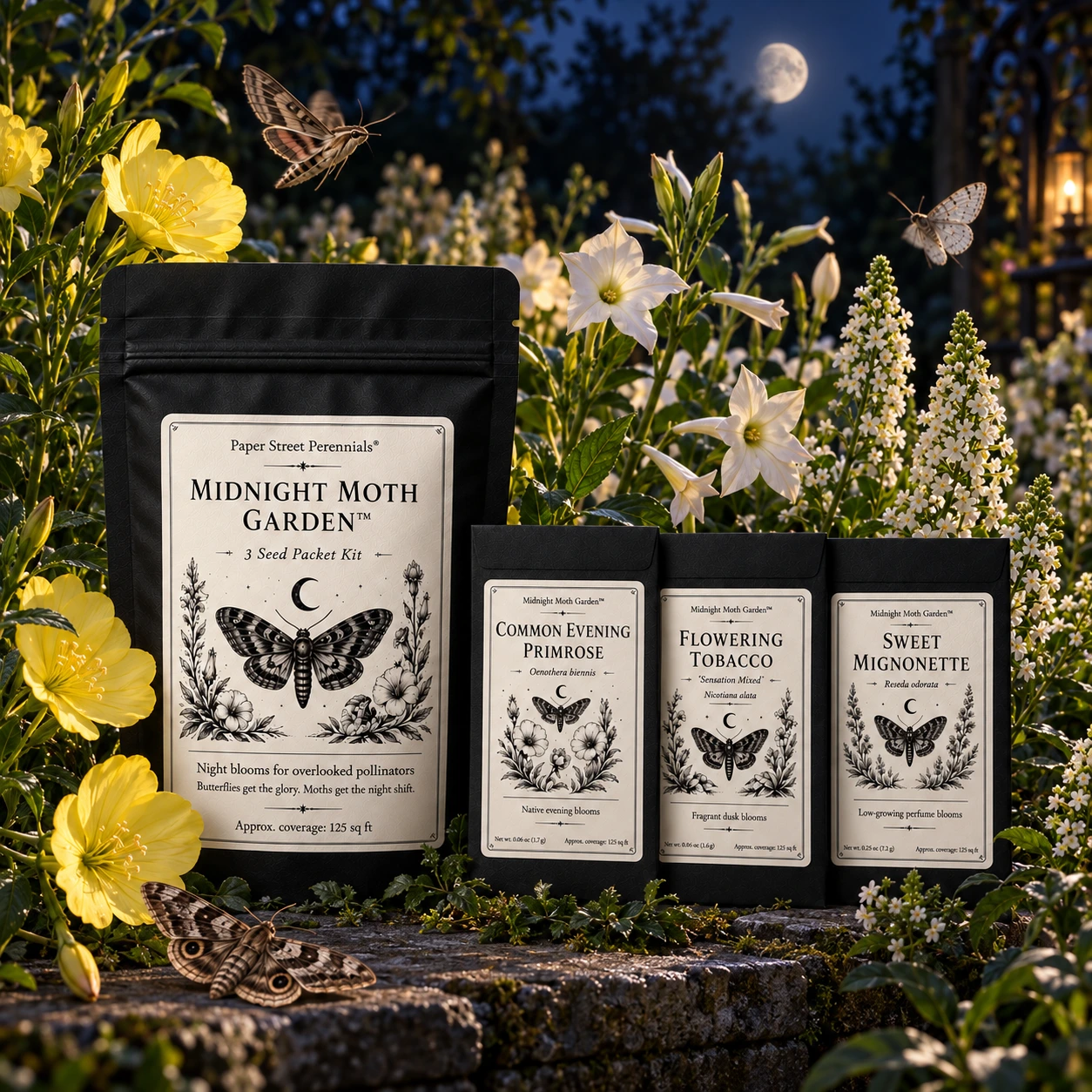
3-Packet Seed Kit
Three separately planted flowers create a fragrant, layered evening garden that becomes more interesting as daylight fades.
$25.95
Explore the collection →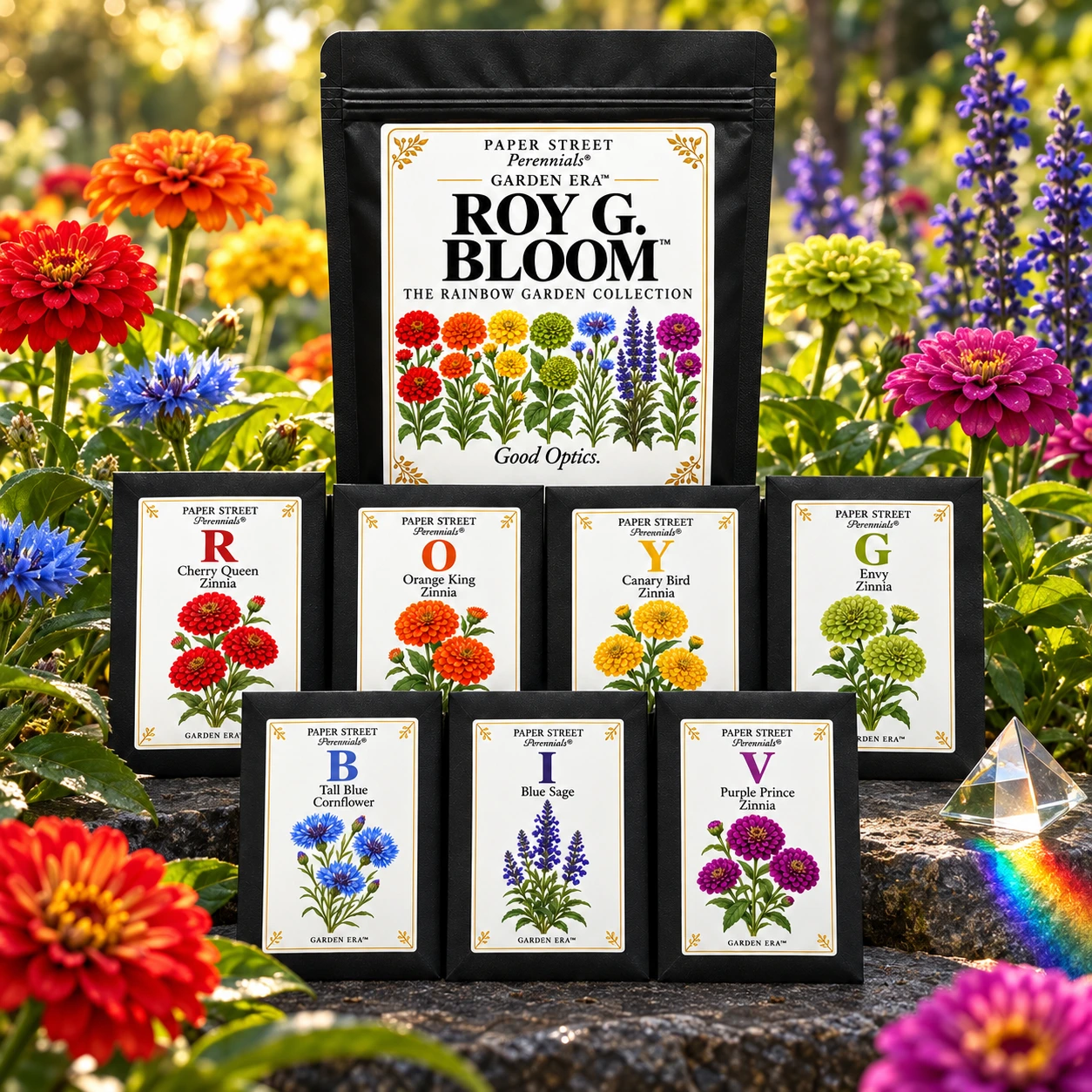
7-Packet Seed Collection
Color theory. With roots.
$39.95
Explore the collection →
Featured in the Garden Era™ Collection
Meet Beige Mom™. Creamy flowers, fringed white cornflowers, tall larkspur and oatmeal bunny tails—for a garden that feels as considered as your home.
Available as a blended seed mix or a seven-packet collection.
Blended mix from $25.95 · Seven-packet collection $39.95
Enter your neutral era →The Paper Street collection
Choose a collection, then explore its seeds and mixes.
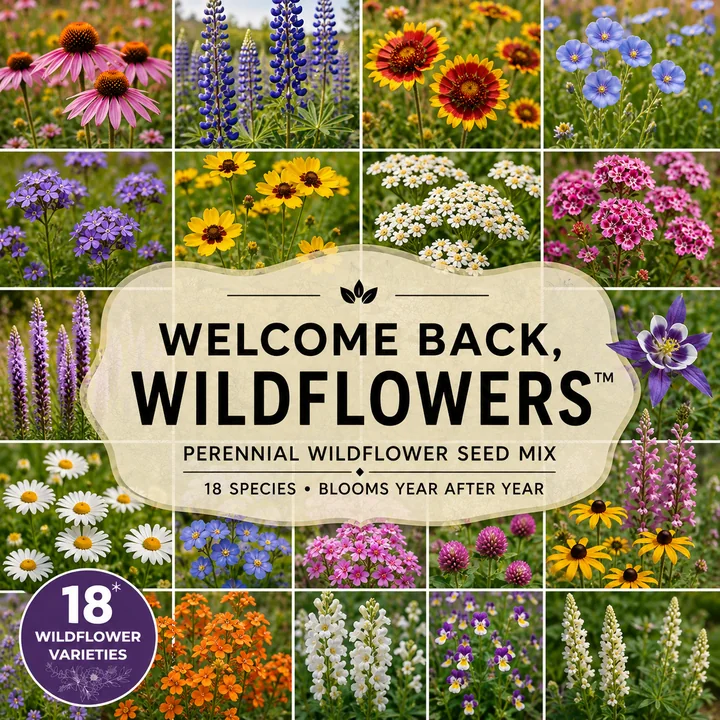
Start with a meadow
Bring a patch of ground to life with meadow flowers.
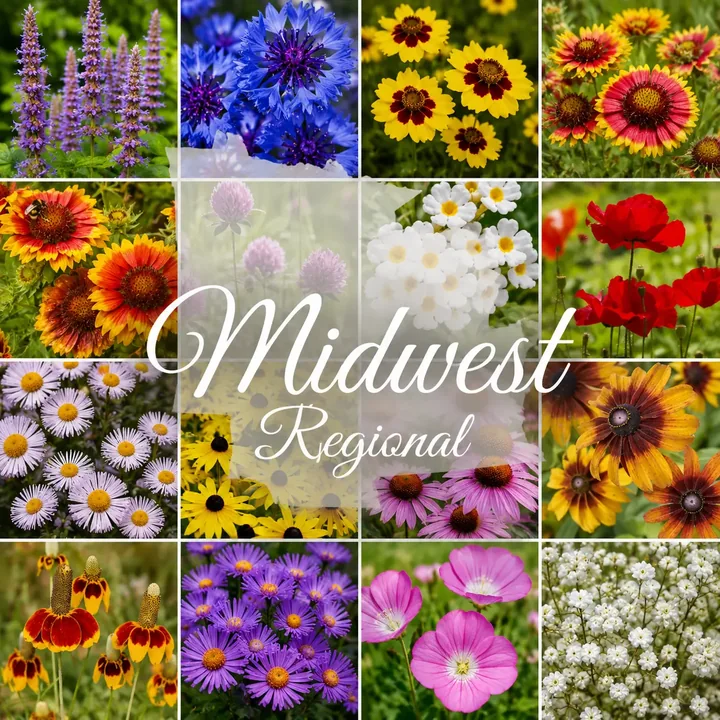
Made for your region
Find a wildflower mix selected for your part of the country.
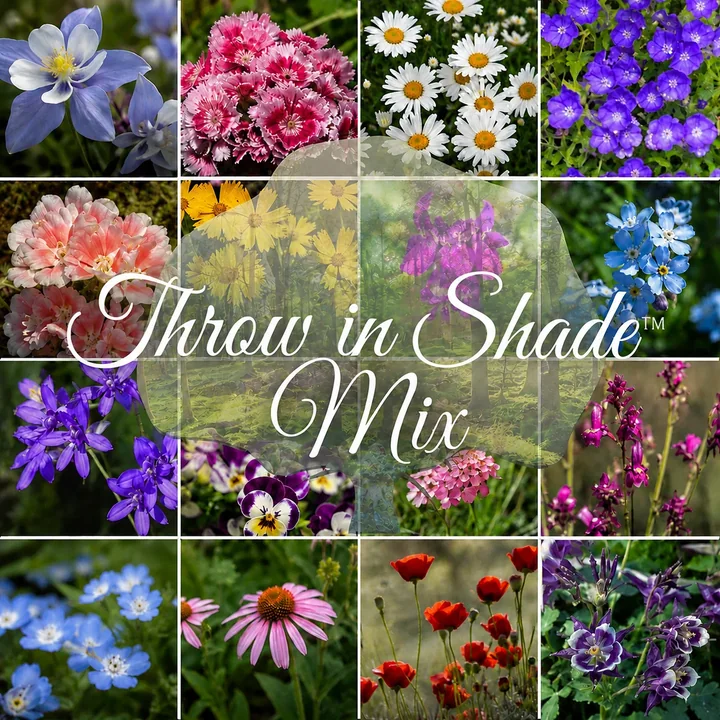
For the shadier places
Flowers for filtered light and woodland edges.
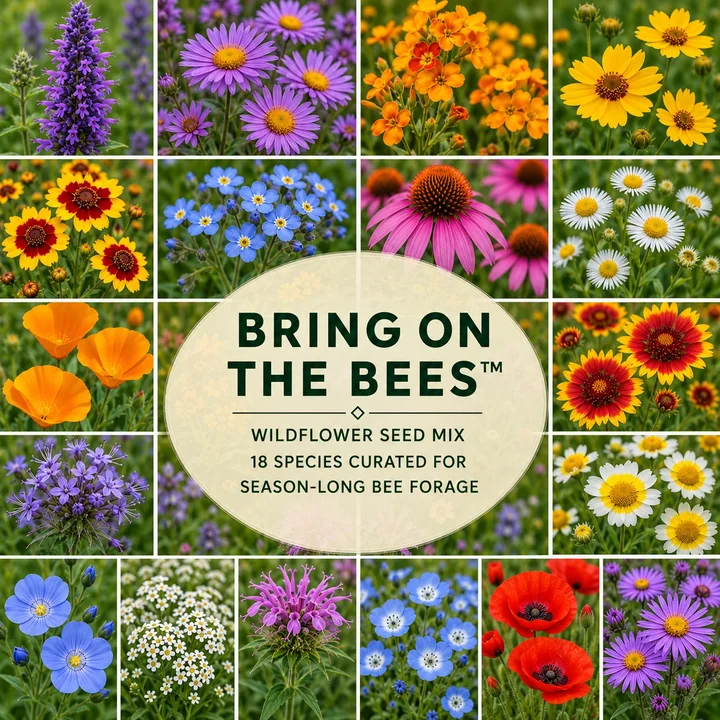
Invite the pollinators
Plant flowers for bees, butterflies, and other pollinators.
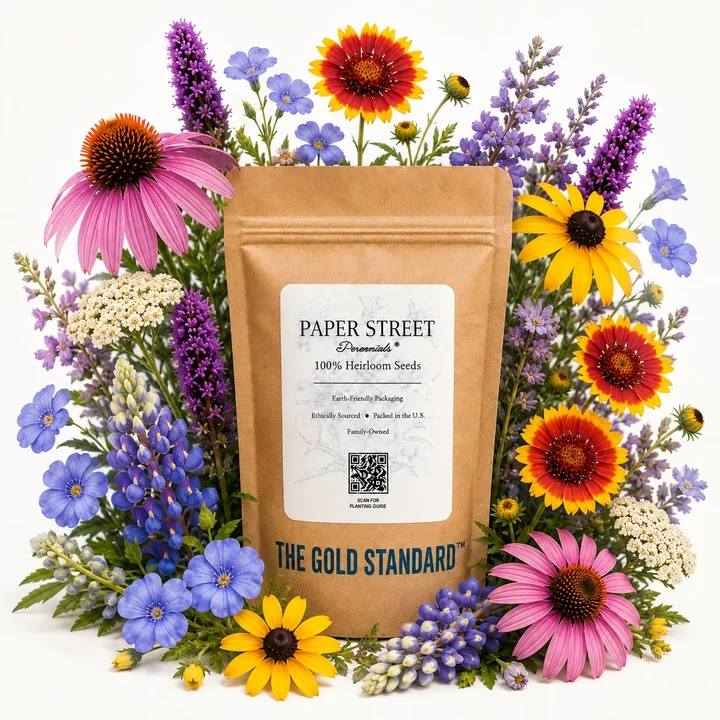
Native by design
Build your garden around North American Native wildflowers.
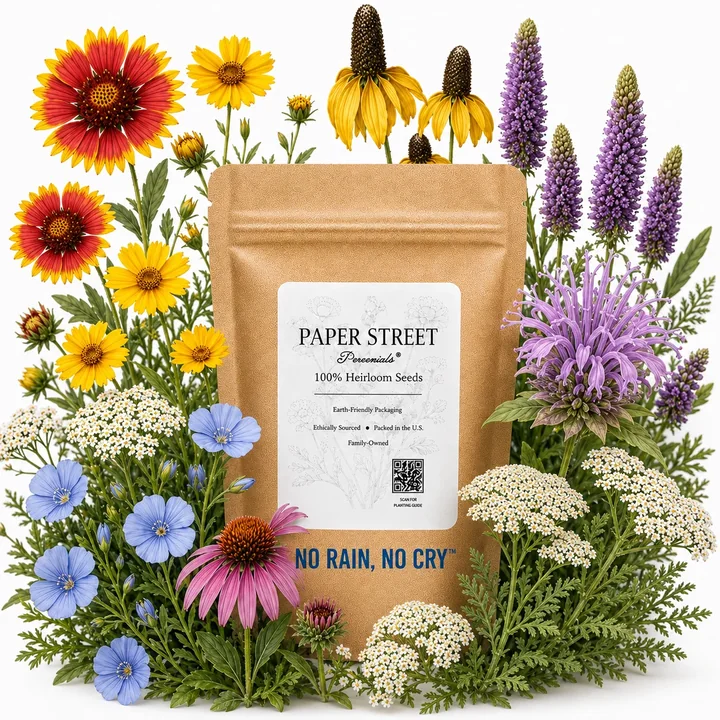
Made for a reason
Find flowers for dry sites, mountain gardens, and more.
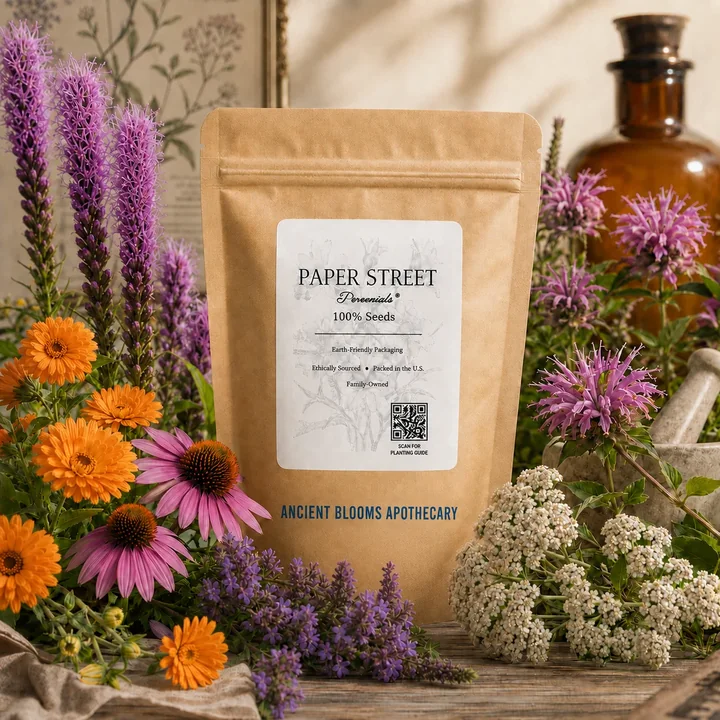
Garden with a story
Explore gardens inspired by herbs, fragrance, and tradition.
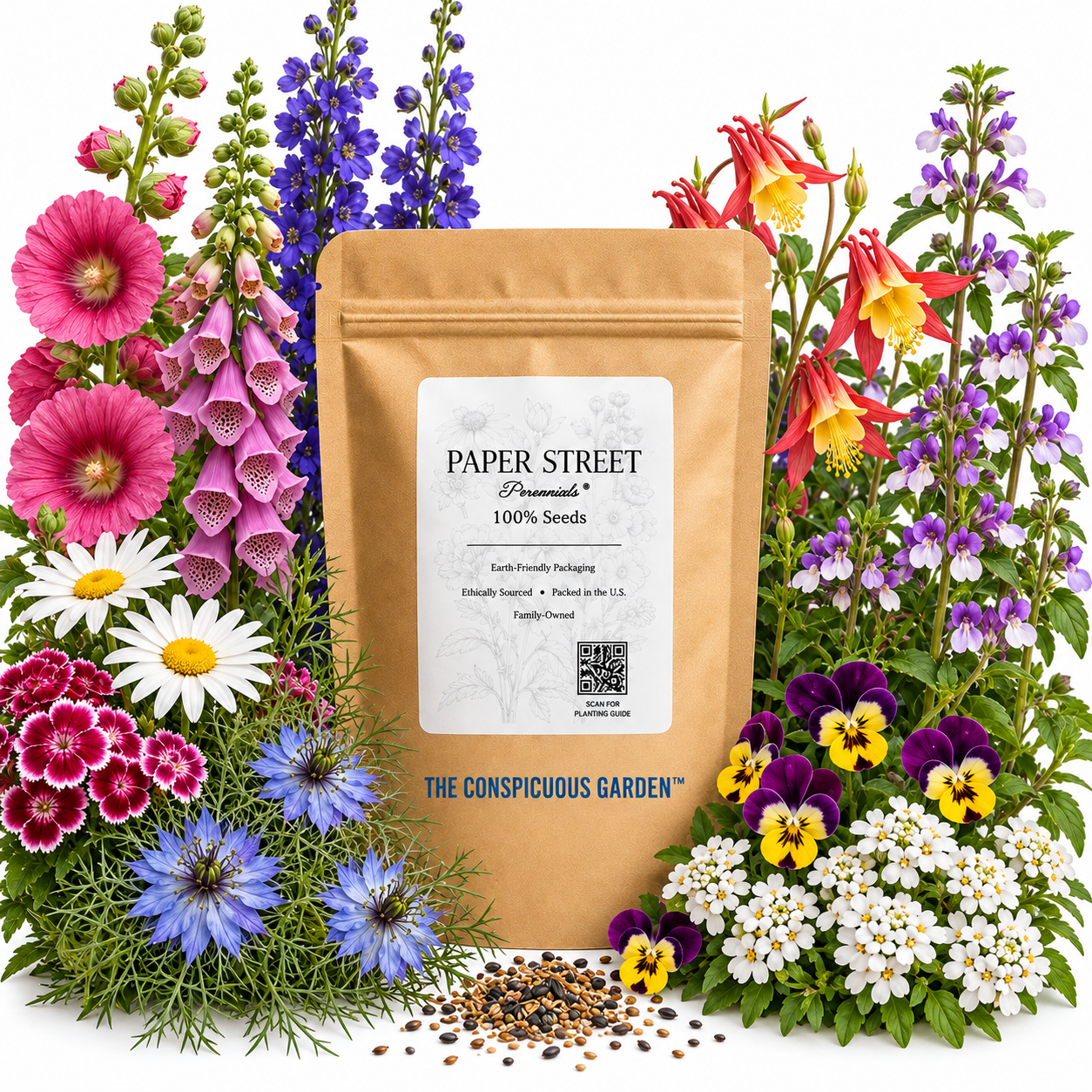
Color this season
Fast color for flower beds, cutting gardens, and family projects.
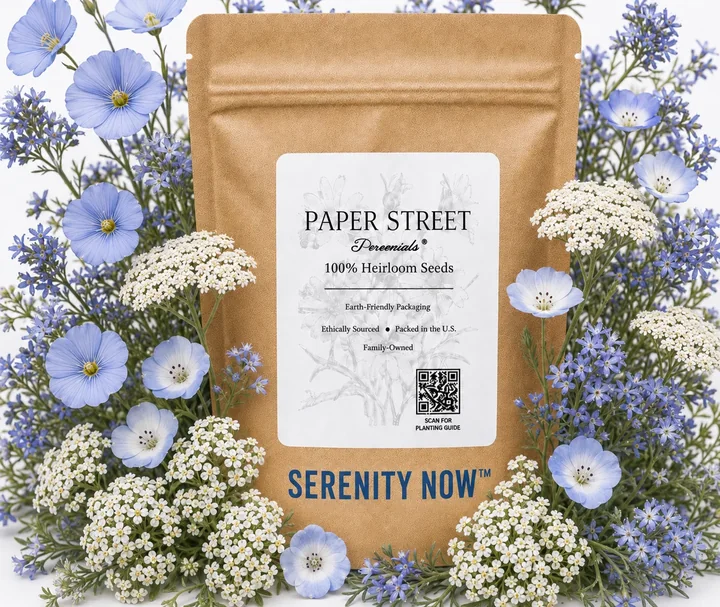
Plant by color
Choose a palette, from soft pastels to bold summer color.
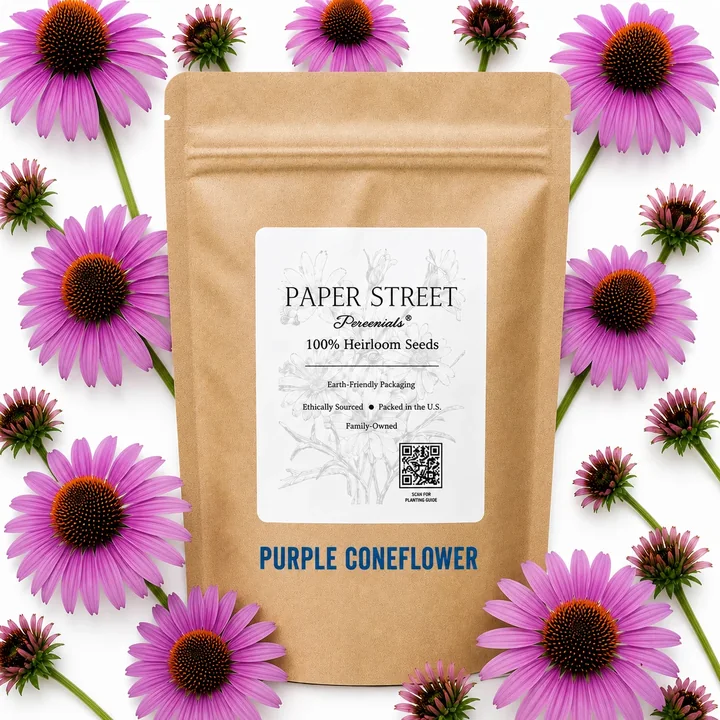
One flower at a time
Grow a favorite flower or create your own combination.
Welcome Back, Wildflowers™ transformation
Drag the handle to reveal how a prepared patch can develop as perennial wildflowers establish and mature.
 Planting DayYear 2 and Beyond
Representative results. Bloom density, timing, and species composition vary by site preparation, climate, weather, and care.
Why Paper Street
Find the right seed for your geography, sunlight, planting space, and goals.
See accurate coverage, establishment timing, and realistic results before you plant.
The QR code on every label brings you back to current planting instructions and mix-specific guidance.
The universal planting guide
Use the coverage shown on your mix’s information page. These instructions explain the planting method.
Remove grass, weeds, mulch, leaves, and heavy debris. Wildflower seed needs exposed soil—not a landing place on top of turf.
Use the coverage on your chosen mix’s information page. Divide seed in half and sow in two directions for a more even result.
Press most small wildflower seeds into the surface. Follow the depth on each species’ product page: Sugar Lupine needs about 1 inch (2.5 cm) of soil cover.
Water gently and keep the surface consistently moist through germination. Reduce watering as roots develop.
Mix-specific notes
Use the product intended for the planting location. Local rainfall, heat, dormancy, and frost timing matter.
Expect roots and foliage first. Some first-year flowers are possible; the stronger display usually develops later.
Use full sun when possible and follow the rate on the bag. A dry carrier can make broadcasting more even.
Under the Tree™ and Throw in Shade™ are different mixes. Under the Tree™ is a nine-flower woodland-edge mix for dappled canopies and planting beneath established trees; Throw in Shade™ is a broader 16-flower shade collection for filtered light and roughly 1–4 hours of direct sun. For either, remove leaf litter, expose soil, and provide extra establishment water in dry shade.
Snow is optional. Plant on prepared soil in spring or fall, on frozen bare ground, or over no more than about three inches of fresh snow. Frozen or snowy sowing may establish fewer seeds than prepared-soil planting, so use a heavier rate. Do not bury or water dormant seed, and avoid deep snow and runoff-prone slopes.
Mix individual seed thoroughly with dry sand, vermiculite, or another clean carrier before broadcasting whenever practical. This is especially important for small or lightweight species such as Black-Eyed Susan, Blanketflower, Blue Flax, and Wild Bergamot. Larger seed such as Wild Lupine can be broadcast without a carrier, but still benefits from the added volume.
The story behind the seeds
Paper Street began with a return.
Before becoming a lawyer, our founder worked as an environmental scientist in wetland and upland preserve restoration and later in water-use regulation. He went to law school hoping to help shape environmental law and policy, but his career ultimately led into corporate law. Paper Street became a new way back—putting seed and practical guidance into the hands of people who want to turn ordinary ground into thriving habitat.
Paper Street Perennials® is a family-owned wildflower seed company. We build approachable collections for meadows, pollinators, shade, and familiar native flowers, then support them with the kind of instructions we would want to receive ourselves.
Our business is intentionally practical: thoughtfully selected seed, clear packaging, honest guidance, and a growing catalog shaped by what gardeners actually need.
Science informed. Garden tested. Honestly explained.
The goal is not simply to sell you a bag of seed—it is to help you turn your patch of ground into a thriving ecosystem.PAPER STREET PERENNIALS®
Before you sow
Usually not well. Dense turf intercepts seed and competes with young roots. Expose soil before sowing.
Yes for most individual species. A dry sand, vermiculite, or similar clean carrier adds volume and makes broadcasting much more even. It is especially important for very small or lightweight seed. Larger seed such as Wild Lupine can be sown without a carrier, but still benefits from one.
Perennials often spend their first season establishing roots and foliage. A meadow develops over seasons, not days.
Avoid heavy fertilizer. It can favor weeds and leafy growth over flowers; wildflowers generally perform well in lean soil.
Use the coverage shown on the information page for your chosen mix. Product formulations and available sizes can change.
No. It can be planted on prepared soil in spring or fall, on frozen bare ground, or over no more than about three inches of fresh snow. Seed-to-soil contact and establishment can be lower on frozen or snowy ground, so use a heavier seeding rate than you would on prepared soil. Avoid deep snow and places where meltwater can move seed.
Ready when you are
